Advent
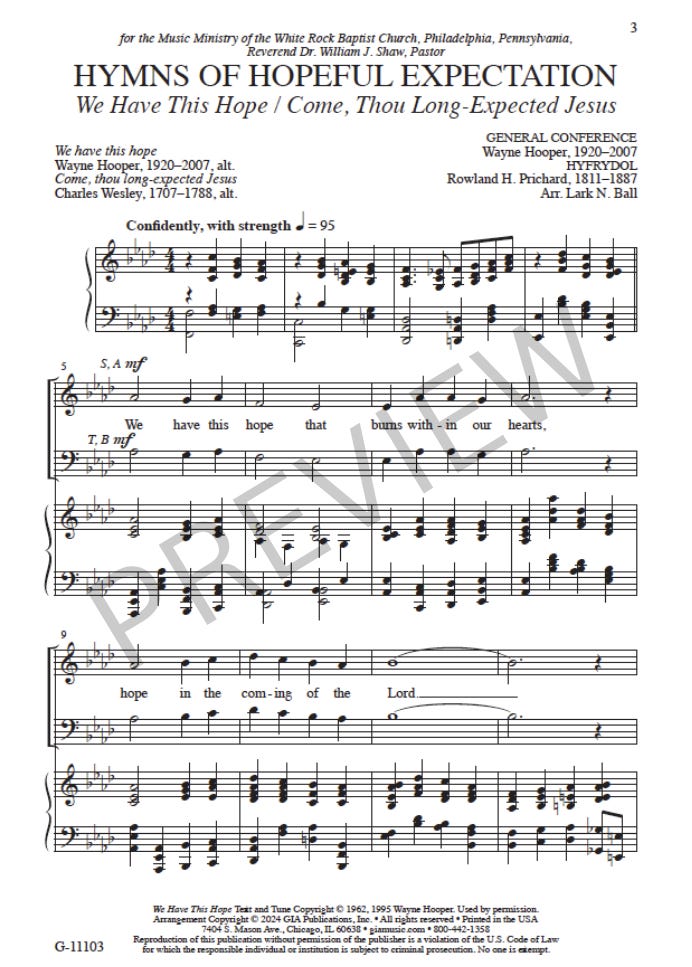
Hymns of Hopeful Expectation
The Advent season is a fitting setting in which the combination of these two hymns can signify and confirm two aspects of our faith. First, we sing with an emboldened confidence in the promise God made to secure our salvation through the gift of his Son, Jesus Christ. Second, we pray in anticipation and preparation for the day when that promise—Jesus’ coming into the world—will come to fruition. -Lark N. Ball
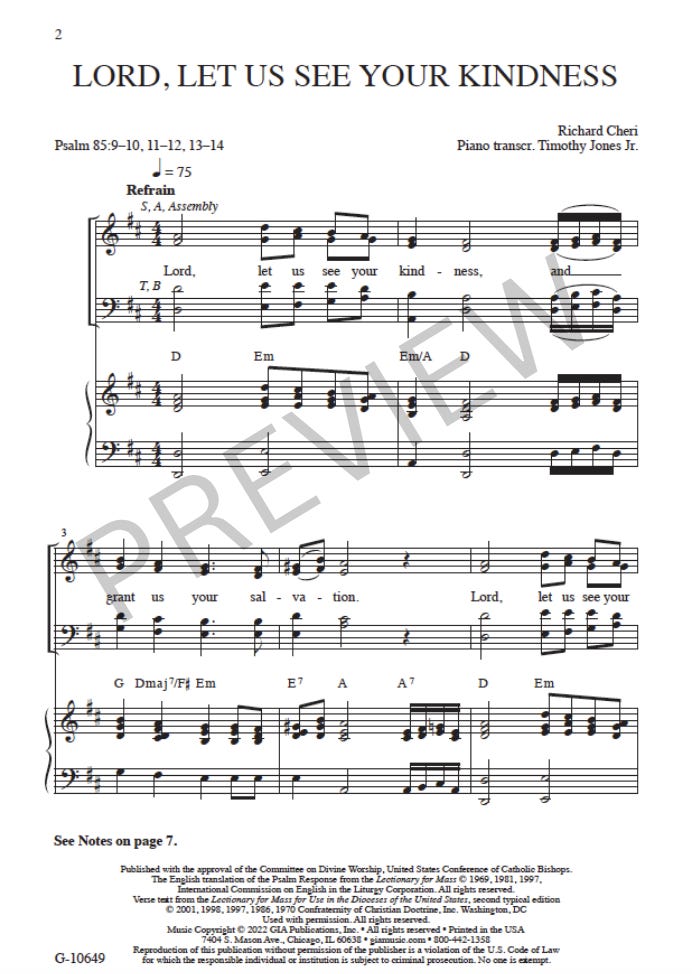
Lord, Let Us See Your Kindness
The development of “Lord, Let Us See Your Kindness” was inspired by the anticipatory nature of the season of Advent: our longing to see the Lord’s kindness and the source of salvation. The gentle flow of the melody and harmony captures the essence of “kindness,” moving into the intercession for salvation. -Richard Cheri
Christmas
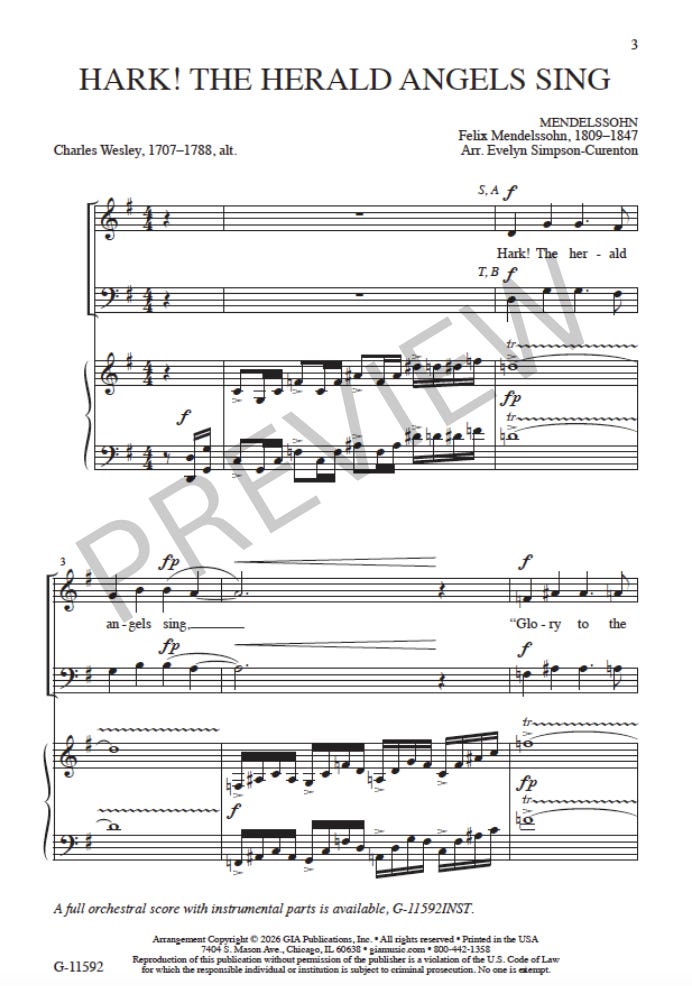
Hark! The Herald Angels Sing
Following the opening fanfare between the piano and the choir, the first stanza is given a rhythmic treatment that should be sung joyfully over the equally joyous, syncopated accompaniment. Several times throughout the piece, the piano interjects bell-like chords, for example, in the transition to the traditional harmonization of the second stanza. -Evelyn Simpson-Curenton
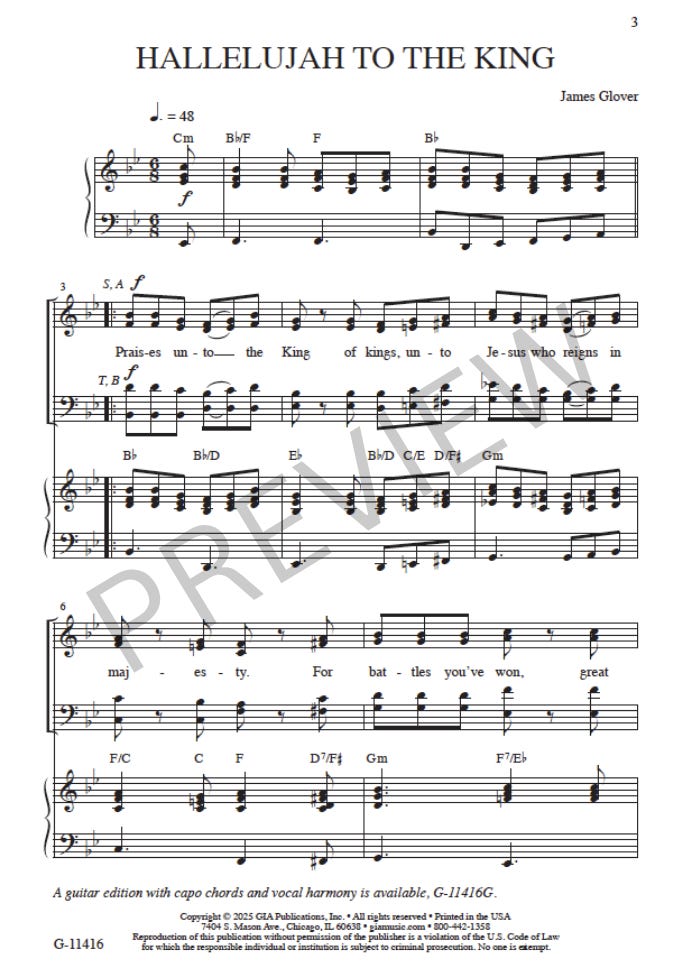
Hallelujah to the King
“Hallelujah to the King” was created for Ulysses Moye in celebration of the 60th anniversary of the Moye Ensemble in 2025. It has been performed by the Gospel Music Workshop of America Mass Choir and the National Convention of Gospel Choirs and Choruses.
The lyrics express praise to the King of kings for the works he has done. A great choice for any time of year outside Lent, the phrase “Hallelujah to the King of kings” can be slightly changed to make the piece even more suitable for the Christmas season (“Hallelujah to the newborn King ”). -James A. Glover
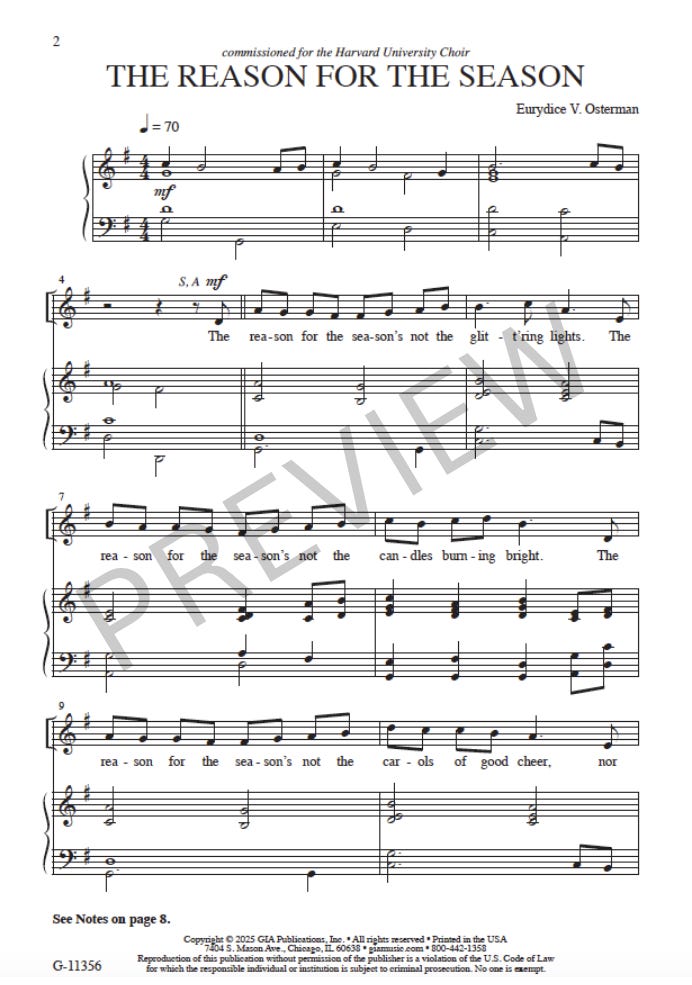
Reason for the Season
“The Reason for the Season” was commissioned for the Harvard University Choir for the 115th Annual Christmas Carol Service. The first part of the text discusses the various traditions of the holiday—lights, decorations, family gatherings, etc.—which leads to the choir identifying the real reason for the season: Love. Harmonically, the piece is tonal throughout. It begins with unison voices, first in the upper voices, then in the lower voices. The voices blend in a passage of two-part writing, leading to four-part harmony and a modulation. At the end, we return to the original key, with the inner voices singing the phrase “the reason” three times, using secundal dissonance to emphasize that the reason for the season is “Love.” -Eurydice V. Osterman
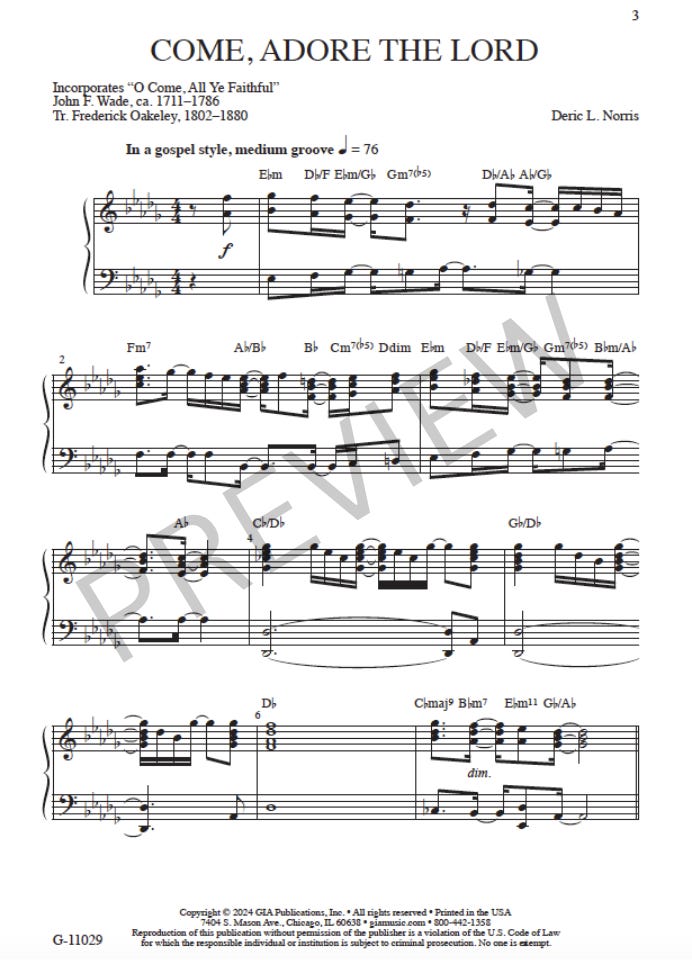
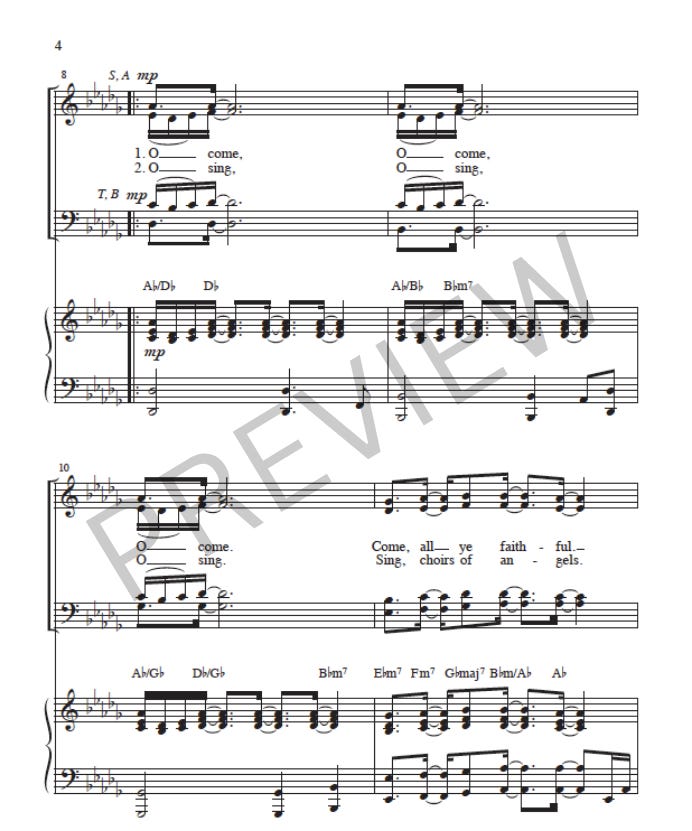
Come, Adore the Lord
“Come, Adore the Lord” is a contemporary re-imagining and re-arrangement of “O Come, All Ye Faithful.” It is a breezy, mid-tempo, mid-range piece for choir. It has two verses and a series of vamps that develop gradually. The final vamp on “O come, let us adore him” can be repeated several times, building to the final, joyous “come, adore the Lord!” -Deric L. Norris